


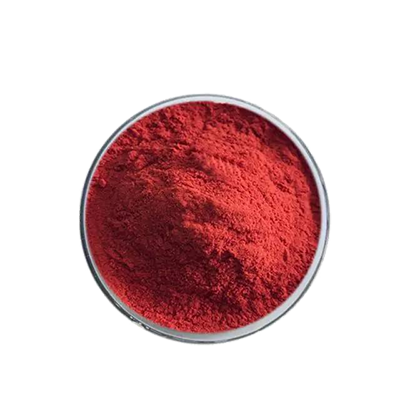


Introduction: Saffron (Crocus sativus) belongs to the Iridaceae family and the its flower stigmas are rich in active compounds. Saffron is cultivated chiefly in Iran which produces more than 90% of the world’s saffron but is also grown in other countries. Saffron has been known for more than 4000 years and was used mostly in traditional medicine as a tonic agent and antidepressant drug. It has long been considered in traditional Iranian medicine and several properties have been mentioned for this plant, including the treatment of eye infection and inflammation, strengthening the eyes, anti-anxiety, relieving menstrual pain, strengthening the stomach and liver, and reducing appetite.
Major Bioactive Constituents: Chemical analysis has shown the presence of more than 150 compounds in saffron stigmas. In addition to the three main components in saffron such as crocetin esters (crocin), picrocrocin, and safranal, it also contains carotenoids, carbohydrates, raw fiber, proteins, fats, anthocyanin, flavonoids, vitamins (riboflavin and thiamine), minerals, and many other elements which confer nutritional properties and are beneficial to health.
Lead time
| Quantity (kg) | 1 – 100 | >100 |
| Lead time (days) | 15 | To be negotiated |
Reviews
There are no reviews yet.