


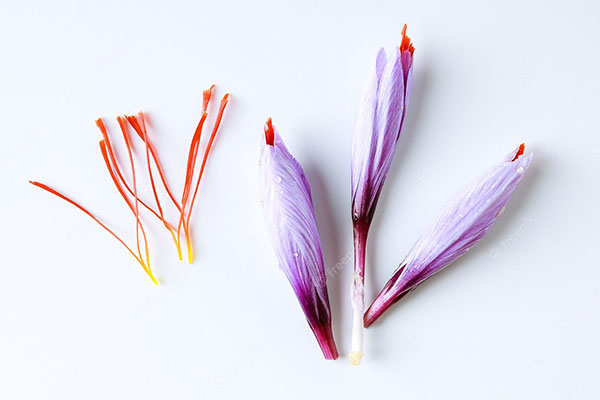
The antioxidant effects of saffron stigmas have an important effect on the functioning of the nervous system, which is due to the presence of valuable carotenoid compounds such as crocin. Studies have shown that these compounds prevent the occurrence of oxidative damage to the brain and nervous system by reducing the level of inflammation, thereby improving the functioning of the nervous system1.
Oxidative damage usually occurs when there are too many free radicals in the body’s cells. Free radicals damage cells, proteins and DNA structure, and if they persist, they can lead to aging or cell death. It may also contribute to a wide range of diseases including diabetes, cancer and neurological diseases such as Alzheimer’s and Parkinson’s. Free radicals occur in the body during natural metabolic processes, and the body produces antioxidant compounds to deal with their increase. Also, people’s diet is considered an important source for providing antioxidants to the body. Unhealthy lifestyle, improper nutrition, and environmental and nervous stress, put the body out of balance between free radicals and antioxidants, which, if continued, causes irreparable complications in people. 2.
On the other hand, diseases and problems related to the nervous system can have severe negative effects on the quality of life and human lifespan. Many people who suffer from these diseases may not even get a full recovery, and if they recover, they have to face serious side effects of depression and neuropsychiatric drugs. In addition to being able to prevent neurological and mental diseases and depression, consumption of saffron can lead to a reduction in the side effects caused by these diseases. One of the serious and important side effects of antidepressants such as fluoxetine is the creation of sexual disorders during and after the end of the treatment period, which can have destructive mental effects on a person and sometimes becomes a factor for the worsening of the depression and lack of treatment. But saffron can control the side effects caused by the use of psychoactive drugs on the body, and since it has the effects of enhancing sexual powers, it completely neutralizes these side effects in many cases3. Today, some psychiatrists advise their patients to include saffron in their diet. Treatments with saffron extract reduce some of the verotoxic effects and also increase the production of neurotransmitters, such as dopamine and glutamate. On the other hand, the administration of saffron extract reduces the euphoric effects of morphine, which is the result of all this, strengthening and strengthening the human brain 4.
Now let’s learn a little more about the active compounds of saffron and their mechanism of action:
The value of saffron is due to the presence of three main secondary metabolites:
Crocin (monoglucosyl or diglucosyl polyene esters) and its derivatives are responsible for the red color of saffron.
Picrocrocin (monoterpene glycoside precursor of safranal and breakdown product of zeaxanthin) which is responsible for the bitter taste of saffron.
Safranal (fat-soluble cyclic monoterpene aldehyde), which is responsible for the aroma of saffron.
The color compounds of saffron include carotenoids crostin and glycosidic forms digentiobioside (crocin), glucoside, genthioglucoside, and di-beta crostin (monomethyl ester), gamma crostin (dimethyl ester), alpha carotene, beta carotene, lycopene and zeaxanthin. Flavonoids, especially lycopene, amino acids, proteins, starch, gums and other compounds are also found in saffron. Tests have shown that saffron has small amounts of thiamine and riboflavin.
So far, many therapeutic effects of saffron have been seen in studies, which attribute most of these beneficial effects to the antioxidant and anti-inflammatory properties of saffron extract and its active components.
The results of the research show that saffron and its components can protect the neurons of the nervous system against external and internal damage and thus prevent the memory loss of people with Alzheimer’s and may even be effective in the treatment of memory-related diseases. 6. This neuroprotective effect of saffron can also be seen in eye function; So that saffron and its components reduce vision problems in diseases such as ARM 7. The effect of saffron and its components on anxiety and insomnia has also been done in animal studies, and these effects are completely dependent on the dose, and in the case of complete saffron extract, it has a greater effect. Compared to its derived compounds, it has been observed. Therefore, it seems that the components of saffron cooperate in this function and have a so-called synergistic effect. In relation to depression, the antidepressant effects of saffron and its components are so evident in clinical studies that it is as effective as other commonly used antidepressants in the treatment of mild to moderate and severe depression.
Conclusion: In general, it seems that saffron and its active components (crocin, crostin and safranal) have a preventive and therapeutic role in diseases related to the nervous system. These functions are attributed to their antioxidant, anti-inflammatory and anti-apoptotic effects. Based on these findings, recently medicines have been prepared from saffron and its components to treat depression, Alzheimer’s, premenstrual syndrome, etc.
References:
1- The effects of Crocus sativus (saffron) and its constituents on nervous system: A review. Mohammad Reza Khazdair, Mohammad Hossein Boskabady, Mahmoud Hosseini, Ramin Rezaee, and Aristidis M. Tsatsakis. 2015. Avicenna J Phytomed. 2015 Sep-Oct; 5(5): 376–391.
2- Behshid Ghadrdoosta, A